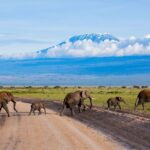
About Mount Kenya and Aberdare: Kenya’s Highland Heart
This Mount Kenya Aberdare destination guide begins in central Kenya, where the country’s highest peaks and most dramatic highland landscapes create an unforgettable travel experience. Mount Kenya, Africa’s second-highest mountain, rises to 5,199 meters (17,057 feet) above sea level. Together with the Aberdare Range, these two magnificent highland regions form the backbone of Kenya’s central highlands, offering visitors a completely different experience from the savannah parks.
Mount Kenya National Park was established in 1949 and covers an area of 715 square kilometers (276 square miles), including the mountain’s peaks, glaciers, and surrounding forests. The mountain is an ancient extinct volcano, and its jagged peaks—Batian (5,199m), Nelion (5,188m), and Lenana (4,985m)—are the remnants of its eroded volcanic core. The mountain is a UNESCO World Heritage Site and is considered one of the most beautiful mountain landscapes in Africa.
The Aberdare National Park was established in 1950 and covers 766 square kilometers (296 square miles). Named after the Aberdare Range, this park is characterized by dramatic waterfalls, dense forests, bamboo thickets, and open moorlands. The range’s highest peak, Mount Satima, reaches 4,001 meters (13,127 feet). The Aberdares are famous for their unique tree-hotel experiences, where visitors can observe wildlife coming to salt licks and waterholes at night.
What makes a Mount Kenya Aberdare destination so unique is the incredible diversity of experiences and ecosystems. Visitors can climb Africa’s second-highest mountain, trek through bamboo forests, witness spectacular waterfalls, spot rare wildlife, and enjoy stunning views over the Kenyan plains. The regions are also deeply culturally significant to the Kikuyu people, who consider both mountains sacred and central to their creation mythology.
Key Facts About Mount Kenya and Aberdare National Parks
Before planning your visit, here are essential facts about this Mount Kenya Aberdare destination:
- Mount Kenya Height: 5,199 meters (17,057 feet), Africa’s second-highest mountain.
- Mount Kenya National Park Size: 715 square kilometers (276 square miles).
- Mount Kenya Established: Gazetted as a national park in 1949.
- Mount Kenya UNESCO Status: Designated as a UNESCO World Heritage Site in 1997.
- Aberdare National Park Size: 766 square kilometers (296 square miles).
- Aberdare Established: Gazetted as a national park in 1950.
- Aberdare Highest Peak: Mount Satima at 4,001 meters (13,127 feet).
- Proximity to Nairobi: Approximately 150-180 kilometers north, about a 2.5-3 hour drive.
- Climate: Cool to cold with temperatures dropping below freezing at high altitudes. Rainy seasons in March-May and October-December.
- Key Features: Snow-capped peaks, glaciers, waterfalls, bamboo forests, and tree-hotel experiences.
- Unique Wildlife: Mountain bongo, colobus monkeys, giant forest hogs, and rare birds.
- Accessibility: Accessible by road from Nairobi or by chartered flights to several airstrips.
Best Time to Visit Mount Kenya and Aberdare
Timing your visit to this Mount Kenya Aberdare destination can significantly impact your experience, as the highland climate varies dramatically with altitude and season.
For Climbing Mount Kenya (June to October): The best time to climb Mount Kenya is during the dry seasons. The long dry season from June to October offers the best conditions for climbing, with clear skies, dry trails, and minimal rainfall. However, nighttime temperatures can drop well below freezing at high altitudes. This is also the busiest time for climbing, with higher rates and more climbers on the mountain.
For Climbing Mount Kenya (January to February): The brief dry season between the rainy periods offers excellent climbing conditions. The weather is generally clear and stable, though temperatures can be cold at high altitudes. This period is less crowded than the main dry season, making it a good choice for climbers seeking a quieter experience.
For Wildlife Viewing in the Aberdares (January to February): This brief dry season offers excellent wildlife viewing conditions. The vegetation is less dense, making animals easier to spot. The weather is pleasant, and the park is less crowded, making it an ideal time for a safari experience.
For Scenic Beauty and Waterfalls (March to May): The long rains from March to May transform the highlands into a lush, green paradise. The waterfalls are at their most spectacular, with thundering cascades and dramatic mist. The scenery is at its most beautiful, though roads can be muddy and cloudy conditions may obscure mountain views.
For Birdwatching (November to April): This period is best for birdwatching, as migratory species arrive from Europe and North Africa. The forests and moorlands come alive with bird activity, making it an excellent time for bird enthusiasts.
Activities in Mount Kenya and Aberdare National Parks
This Mount Kenya Aberdare destination guide highlights the diverse activities available across both regions, from mountaineering and trekking to wildlife viewing and cultural experiences.
- Mount Kenya Climbing: Climbing Mount Kenya is one of Africa’s premier mountaineering experiences. Several routes are available, ranging from technical climbs to scenic treks. The most popular routes include:
- Sirimon Route: The most popular and scenic route, starting from the northwest side. It offers excellent views and is generally considered the easiest route.
- Chogoria Route: Known for its spectacular scenery, including the Gorges Valley and Lake Michaelson. This route is more challenging but offers unforgettable views.
- Naro Moru Route: The shortest and most direct route to Point Lenana, but also the steepest. It is popular for climbers with limited time.
- Trekking and Hiking: For those not climbing the peaks, both Mount Kenya and the Aberdares offer extensive trekking and hiking opportunities. Trails wind through bamboo forests, moorlands, and alpine zones, offering breathtaking views of the surrounding plains. Popular treks include the Mount Kenya Circuit, the Aberdare Salient, and the waterfalls loop.
- Waterfall Viewing: The Aberdare region is famous for its spectacular waterfalls. The most famous is the Karuru Falls, which plunges 300 meters in three consecutive drops. Other notable waterfalls include Gura Falls, Chania Falls, and Magura Falls. The roar of the water and the misty spray create an unforgettable experience.
- Tree-Hotel Experiences: The Aberdares are famous for their unique tree-hotel experiences. The Ark Lodge and Treetops Lodge offer elevated accommodation where visitors can observe wildlife coming to salt licks and waterholes at night. This is a unique way to experience the park’s nocturnal wildlife from the comfort and safety of a lodge.
- Wildlife Viewing: Both parks offer excellent wildlife viewing opportunities. The Aberdares are home to a variety of wildlife, including elephants, buffalos, leopards, and the elusive mountain bongo. Mount Kenya’s forests host colobus monkeys, sykes monkeys, and a variety of antelope species.
- Birdwatching: With over 200 bird species in Mount Kenya National Park and over 250 in Aberdare National Park, these highlands are a birdwatcher’s paradise. Look for the rare moorland francolin, the scarlet-tufted malachite sunbird, and the endemic Aberdare cisticola. The high-altitude birds are particularly special, with species adapted to the harsh mountain environment.
- Cultural Experiences: Explore the rich cultural heritage of the Kikuyu people, who consider Mount Kenya and the Aberdares sacred. Visit local villages, learn about traditional customs, and hear the stories of how the mountains are central to their creation mythology.
- Mountain Biking: Several routes in the Mount Kenya and Aberdare regions are suitable for mountain biking. The lower slopes and forested areas offer challenging terrain with spectacular views.
- Horse Riding: Some lodges in the Mount Kenya region offer horseback riding tours, allowing visitors to explore the lower slopes and forests in a unique way.
- Fishing: The mountain streams in the Mount Kenya region offer trout fishing opportunities, providing a relaxing activity after strenuous climbs.
Location and How to Get to Mount Kenya and Aberdare
Mount Kenya Location: Mount Kenya National Park is located approximately 150 kilometers northeast of Nairobi, straddling the equator in central Kenya. The mountain’s peaks are accessible from several entry points, including the Sirimon Gate (west), the Naro Moru Gate (south), and the Chogoria Gate (east).
Aberdare Location: Aberdare National Park is located approximately 150 kilometers north of Nairobi, in the Central Highlands of Kenya. The park is accessed through several gates, including the Ark Gate, the Treetops Gate, and the Kiandongoro Gate.
By Road from Nairobi to Mount Kenya: The journey takes approximately 3 hours via the A2 highway towards Nyeri. The route passes through the lush highlands and offers scenic views of the mountain. From Nanyuki town, it is a short drive to the park gates. A 4×4 vehicle is recommended, especially during the rainy season.
By Road from Nairobi to Aberdares: The journey takes approximately 2.5 hours via the A2 highway towards Nyeri, then turning onto the B5 highway. The route passes through the scenic Kenyan highlands. From the towns of Nyeri or Nyahururu, it is a short drive to the park gates. A 4×4 vehicle is recommended for the forest roads.
By Air: Chartered flights are available from Nairobi’s Wilson Airport to several airstrips, including the Nanyuki airstrip for Mount Kenya and the Mweiga airstrip for the Aberdares. The flight takes approximately 45 minutes and offers stunning aerial views of the central highlands and the mountain peaks.
By Train: The Rift Valley Railway offers services from Nairobi to Nanyuki, providing a scenic and comfortable way to reach the Mount Kenya region. The journey takes approximately 6 hours and offers beautiful views of the highlands.
From Other Parks: These highland destinations can be combined with other Kenyan parks. Mount Kenya is approximately 3 hours from Lake Nakuru, 4 hours from Samburu, and 5 hours from Maasai Mara. The Aberdares are approximately 2 hours from Lake Nakuru and 4 hours from Nairobi.
Animals in Mount Kenya and Aberdare National Parks
This Mount Kenya Aberdare destination guide highlights the incredible animals that call these highland parks home, from rare forest dwellers to unique mountain-adapted species.
- Mountain Bongo: The Aberdare National Park is one of the last remaining sanctuaries for the critically endangered mountain bongo. This beautiful forest antelope is rarely seen but is a major conservation focus in the park. Conservation programs in the Aberdares are working to protect and increase the wild population of this iconic species.
- Elephants: Both Mount Kenya and the Aberdares support healthy populations of African elephants. The Aberdares are particularly known for their elephants, which are often seen coming to the salt licks and waterholes at the tree hotels, especially at night.
- Buffalos: Large herds of buffalo roam the forests and moorlands of both parks. The Aberdares’ dense forests provide excellent cover for these large animals.
- Big Cats: Leopards are the most common big cats in both parks. They are elusive and rarely seen, but the Aberdares’ tree hotels often attract leopards at night. Lions are present in the lower elevations of Mount Kenya, while cheetahs are occasionally spotted on the open plains below the mountain.
- Primates: The montane forests of Mount Kenya and the Aberdares are home to a variety of primates. Colobus monkeys, with their distinctive black and white fur, are frequently seen in the canopy. Sykes monkeys and olive baboons are also common, often seen along roads and near lodges.
- Giant Forest Hogs: The Aberdares are one of the best places in Africa to see the giant forest hog, the largest pig species in the world. These massive animals are often seen at the tree hotels at night.
- Antelopes and Herbivores: The highlands support a variety of antelope species, including bushbucks, duikers, and waterbucks. In the higher elevations of Mount Kenya, the mountain reedbuck and the rare and elusive bongo are occasionally seen.
- Birdlife: Both parks are rich in birdlife. Mount Kenya National Park hosts over 200 bird species, including the moorland francolin, the scarlet-tufted malachite sunbird, and the alpine chat. Aberdare National Park hosts over 250 species, including the endemic Aberdare cisticola, the African crowned eagle, and the rare and beautiful Hartlaub’s turaco.
- Rare and Endemic Species: The highlands are home to several species found nowhere else in Kenya or Africa. The Aberdare cisticola is endemic to the Aberdare moorlands, while Mount Kenya is home to the highland mole-shrew and the Mount Kenya mouse.
- Reptiles and Amphibians: The forests and rivers support a variety of reptiles and amphibians, including chameleons, geckos, frogs, and the occasional python. The cooler, moist environment of the highlands provides ideal habitat for these species.
Visiting Mount Kenya and Aberdare National Parks is an unforgettable journey into Kenya’s highland heart. From the snow-capped peaks of Africa’s second-highest mountain to the misty forests, thundering waterfalls, and unique tree-hotel experiences of the Aberdares, these destinations offer visitors a completely different Kenyan experience. The regions’ incredible biodiversity, stunning scenery, and cultural significance make them a must-visit for anyone seeking the full diversity of Kenya’s natural wonders.