Kenya Big Five safari is designed for travellers who want a clear, practical route without losing the sense of discovery that makes an East African safari memorable. This 6 days journey follows the route Nairobi – Amboseli – Lake Nakuru – Maasai Mara – Nairobi and is intended to give travellers a coherent experience of Kenya rather than a collection of disconnected stops. A six-day classic Kenya circuit linking three well-known ecosystems to maximise variety rather than relying on one park for every Big Five sighting.
Before joining the 6-Day Classic Kenya Big Five Safari, it is useful to read our guide to Amboseli National Park for more detail about the destination, habitat and style of experience. Safari travel works best when the schedule has structure but still leaves room for nature. The route below gives each destination a clear purpose, while the driver-guide can make small operational changes when road conditions, park rules or wildlife movements require them. This approach protects the quality of the trip and avoids the common mistake of measuring a safari only by how many places are visited.
Travel south from Nairobi to Amboseli, arriving in time to settle into the lodge and begin an afternoon game drive. The park’s open terrain gives a strong first impression of East African safari country, especially when elephant groups move across the plains. Wetlands, dusty flats and acacia woodland support different species, and Kilimanjaro may appear across the border when the sky is clear. The guide uses the first drive to understand current wildlife distribution and plan the following morning.
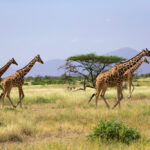
Start early for the best chance of cool conditions, active animals and clear mountain views. Explore marshes and surrounding plains for elephants, buffaloes, giraffes, zebras, wildebeest and smaller antelopes. Midday can be used for rest at the lodge before another game-viewing session later in the afternoon. Spending a second night in Amboseli avoids treating the park as a quick photo stop and allows time to observe how wildlife uses the wetlands through different parts of the day.
Leave Amboseli after breakfast and drive north through the Nairobi region towards the Great Rift Valley. The transfer is substantial, so the day is paced with practical breaks. As the route approaches Nakuru, the scenery changes from southern drylands to higher agricultural country and the enclosed basin of the lake. If arrival time permits, enjoy a short evening drive; otherwise, settle into the lodge and prepare for an early start. The move positions the safari for rhino-focused viewing the next morning.
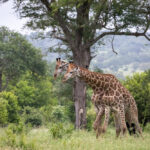
Enter Lake Nakuru National Park for a morning game drive, looking for rhinos, buffaloes, giraffes, baboons and birds around the lake and woodland. After the wildlife session, continue towards the Maasai Mara. The road passes through productive highlands and then returns to broad grassland landscapes. Arrive at the Mara lodge or camp and, if time permits, take an introductory game drive. This day deliberately connects a compact protected area with Kenya’s most famous open ecosystem.
Spend the day exploring the Maasai Mara with the guide choosing routes according to season, animal movement and recent sightings. Search for lions, elephants, buffaloes, cheetahs and leopards while also paying attention to herbivore herds, scavengers and birds. During migration months, large numbers of wildebeest and zebras may shape the day, but resident wildlife remains strong throughout the year. A picnic lunch can keep the vehicle in the field for longer, or the programme can be broken with lodge time depending on preference.
Take an early drive where timing allows, then have breakfast and begin the return to Nairobi. The journey provides a final view of the Rift Valley landscape before reaching the capital. Drop-off is arranged at the agreed hotel, residence or airport-area location. Travellers with evening flights should leave a suitable traffic buffer because road conditions near Nairobi are unpredictable. The safari ends after three ecosystems that collectively provide a realistic opportunity to search for the Big Five without promising sightings that nature cannot guarantee.
The itinerary balances driving days with two-night stays in Amboseli and the Maasai Mara. This creates a better rhythm than changing lodge every night. It is a strong first safari because it introduces southern Kenya, the Rift Valley and the Mara without extending beyond one week. The phrase Big Five is useful as a safari theme, but the route is rewarding far beyond five species. Amboseli is particularly strong for elephants; Nakuru adds important rhino habitat; the Mara supports predators, large herbivore herds and seasonal migration activity. The diversity of habitats improves the overall wildlife experience even when a particular species is elusive.
For a deeper explanation of one of the core experiences on the 6-Day Classic Kenya Big Five Safari, read our page on wildlife photography safaris. That supporting page has a different search intent from this itinerary: it explains the destination or activity itself, while this tour page explains how the days, transfers and experiences fit together.
This route can be travelled throughout the year. Drier months often simplify road travel and concentrate wildlife, while green periods can be excellent for scenery, young animals and photography. For the 6-Day Classic Kenya Big Five Safari, weather should be treated as a planning factor rather than a guarantee. Even in drier periods, rain can occur, and seasonal conditions can change wildlife distribution, road surfaces and visibility. Travellers with specific priorities such as migration activity, birding, clear mountain views or lower visitor numbers should discuss those priorities before the final travel dates are confirmed.
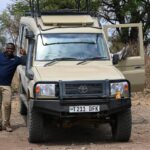
For the 6-Day Classic Kenya Big Five Safari, lodges and camps vary by budget level, season and availability. your final booking should state the exact properties and meal plan, while this itinerary explains the type of experience to expect. well-located accommodation can make a major difference because it reduces unnecessary driving and allows early access to productive wildlife areas. Meals are normally arranged according to the final lodge plan and the daily route. On long field days, a packed lunch may be more useful than returning to the lodge, while travel days may include scheduled restaurant stops. The standard road transport for this Kenya itinerary is a 4×4 safari vehicle with an experienced driver-guide.
The 6-Day Classic Kenya Big Five Safari is particularly suitable for first-time safari travellers, couples, families and wildlife-focused private groups. The overall activity level is rated Easy, but that rating is only a guide. Walking conditions, heat, altitude, forest terrain and long road transfers affect people differently. Travellers with mobility concerns, young children or specific medical needs should discuss them before booking so accommodation and activities can be matched properly.
For the 6-Day Classic Kenya Big Five Safari, Bring binoculars even if you carry a long camera lens, because they make behaviour easier to watch without moving the vehicle. Pack neutral clothing, a hat, sun protection, a warm morning layer and practical footwear. Dust protection for cameras is useful in dry periods. Keep important medication in hand luggage and protect passports, permits and travel documents from dust or rain. A small amount of local currency is useful for tips, drinks and personal purchases, although major lodges may accept cards. Travellers should also arrange suitable travel insurance that covers the activities included in the confirmed itinerary.
During the 6-Day Classic Kenya Big Five Safari, conservation depends partly on how visitors behave. follow the instructions of guides and rangers, remain on authorised routes, keep litter in the vehicle and avoid blocking animals that are trying to move. when visiting communities, ask before taking close portraits and buy crafts directly when something genuinely interests you. a safari is more meaningful when the people and ecosystems behind the experience are treated with care. Follow all instructions at ranger-led activities and never allow the desire for a photograph to override safety or conservation rules.
When booking the 6-Day Classic Kenya Big Five Safari, confirm the final accommodation list, meal plan, transport arrangement, included park or activity fees, and the exact start and end points. Where permits or scheduled activities are required, availability should be checked before non-refundable travel is booked. International flight times should be shared with the safari planner because road traffic and long overland transfers can affect what is realistic on the first and last day. The final quotation should also state what is excluded so travellers can budget for drinks, tips, personal purchases, optional excursions and any extra nights.
The 6-Day Classic Kenya Big Five Safari moves through 5 named stages: Nairobi, Amboseli, Lake Nakuru, Maasai Mara, Nairobi. That sequence matters because it reduces unnecessary backtracking and gives the journey a natural progression. Each transfer also reveals changes outside the protected areas, including farming systems, towns, highlands or dry country depending on the region. Travellers who treat road time as part of this particular safari often understand Kenya better than those who focus only on park gates. The driver-guide can use these transfers to explain local geography, conservation pressures, tourism development and how communities interact with nearby wildlife areas.
The 6-Day Classic Kenya Big Five Safari is rated easy overall. The main challenge comes from the combination of road travel and the specific activities on this route rather than from technical adventure skills. Travellers should be comfortable with early starts and changing daily schedules. Where forest walking, high altitude or long game drives are involved, preparation and suitable clothing improve comfort.
For the 6-Day Classic Kenya Big Five Safari, pack for the 6 days journey rather than for every possible situation. Soft-sided luggage is easier to handle in safari vehicles, and a smaller day bag should hold camera gear, water, medication and sun protection. If this route includes domestic flights, the confirmed baggage limit may be lower than an international airline allowance and should be checked in advance.
Yes, the 6-Day Classic Kenya Big Five Safari can work well for first-time safari travellers because the route has a clear structure and an experienced driver-guide can explain daily procedures, wildlife behaviour and practical timing. The most useful preparation is to arrive with realistic expectations: sightings are natural, road journeys can be long and the quality of a safari often comes from patience rather than rushing.
Private departures of the 6-Day Classic Kenya Big Five Safari can usually be adjusted around accommodation level, arrival and departure plans, additional nights or special interests such as photography. Some activities depend on permits, fixed schedules or park rules, so changes are easiest before final confirmation. Shared departures have less flexibility because transport and timing must work for everyone travelling together.
The 6-Day Classic Kenya Big Five Safari works best for travellers who want the route itself to tell a story. The experience begins with one landscape and develops through a sequence of wildlife areas, communities and changing environments. Good guiding, realistic pacing and respect for nature matter more than trying to force every possible sighting into the schedule. With the major arrangements confirmed in advance and enough flexibility on the ground, this itinerary offers a practical way to experience Kenya while keeping the journey focused, varied and memorable.
Fill out the form below and our travel expert will get back to you within 24 hours