Aberdare National Park safari brings together the natural character of Aberdare National Park, the travel possibilities of Kenya, and experiences shaped by cool highland moorland, bamboo forest, deep valleys and spectacular waterfalls along Kenya’s central mountain range. It is a destination where the quality of the visit depends on slowing down enough to notice detail. Depending on the area and season, travellers may encounter elephants, buffaloes, antelopes, primates, leopards and rich highland birdlife. These are part of a broader ecosystem story that includes weather, vegetation, local communities and the movement of people and wildlife through the surrounding region.
Among the most rewarding reasons to visit are forest game drives, waterfall viewpoints, hiking in permitted areas and stays at historic wildlife lodges. A thoughtful itinerary leaves space for changing conditions and avoids treating wildlife or nature as predictable. Turacova Expeditions Safaris uses this destination guide to help travellers understand what to expect, how to prepare and how to connect Aberdare National Park with other suitable experiences without creating unnecessary duplication in the journey.
Aberdare National Park deserves time because its identity comes from more than one attraction. The combination of cool highland moorland, bamboo forest, deep valleys and spectacular waterfalls along Kenya’s central mountain range creates a setting that changes gradually as you move through it. That variety can support different wildlife, different photographic opportunities and different styles of activity within the same journey. Travellers who prefer meaningful observation over hurried sightseeing often appreciate this kind of destination most.
Another reason to visit is the possibility of planning around forest game drives, waterfall viewpoints, hiking in permitted areas and stays at historic wildlife lodges. These experiences can complement a wider safari without repeating exactly what travellers have already done elsewhere. For example, a journey can emphasise scenery, walking, conservation, culture, water-based activities or wildlife according to the destination. This flexibility makes Aberdare National Park useful in tailor-made itineraries. It also means that the best plan is not necessarily the busiest plan. Allowing enough time for interpretation, rest and changing conditions normally produces a stronger experience than simply increasing the number of stops.
At Aberdare National Park, the scenery is not simply decorative. Cool highland moorland, bamboo forest, deep valleys and spectacular waterfalls along Kenya’s central mountain range. These natural features influence where animals move, where people travel and which activities are practical. They can also determine how long transfers take, especially when roads follow ridges, valleys, rivers or protected habitats rather than straight lines.
Visitors who understand this relationship tend to enjoy the destination more. A quiet drive can still be rewarding when a guide explains tracks, plants, geology or bird calls. A cloudy mountain morning can reveal a different mood from a clear afternoon. A lake, forest or coastline may change character as light and weather shift. This deeper attention is one reason why destination-specific content matters: Aberdare National Park should not be described with generic safari language that could apply anywhere else.
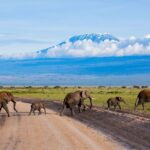
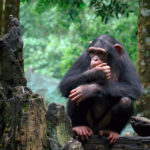
The natural community at Aberdare National Park includes elephants, buffaloes, antelopes, primates, leopards and rich highland birdlife. Visitors should treat this as a guide to possibility, not a guarantee. Wildlife distribution can change quickly with rain, heat, food supply and human activity.
For that reason, time and flexibility are valuable. A slower drive or walk can reveal details missed by a rushed schedule. Guides may choose one habitat over another based on recent signs or local reports. In coastal and lake destinations, water conditions can alter what is practical. In mountains and forests, visibility may be limited even when wildlife is nearby. Understanding these realities makes the experience more authentic and reduces disappointment. The goal is not to control nature but to observe it carefully and respectfully. In the context of Aberdare National Park, it supports a more realistic travel plan.
The destination is best known for forest game drives, waterfall viewpoints, hiking in permitted areas and stays at historic wildlife lodges. These can be tailored to different interests, but the most important planning principle is to leave enough time. A rushed schedule often reduces the value of guiding and increases fatigue. This is part of what gives Aberdare National Park a destination-specific character.
A useful companion page is Photography Safaris, which focuses on a related activity. Another option is 12 Days Kenya Adventure Safari, which provides a broader itinerary or complementary travel experience. Linking in this way helps readers find genuinely relevant information instead of sending them to another page that repeats the same destination content. For travellers considering Aberdare National Park, it is a useful planning principle.
Visitors should also keep some flexibility. Wildlife can move, weather can change and local conditions may make one activity better than another on a particular day. Good safari planning responds to those realities rather than treating the itinerary as an inflexible timetable. That detail is especially useful when planning time at Aberdare National Park.
the highlands can be wet and cool at any time, so visitors should prepare for rain even in generally drier periods. This means there is rarely one perfect month for every traveller. The best time depends on whether the priority is wildlife visibility, green scenery, photography, hiking comfort, birding, beach conditions or fewer visitors. For Aberdare National Park, this can influence how the day is paced.
Seasonal planning should also consider the wider itinerary. A traveller combining several regions may need to compromise between different weather patterns. Instead of choosing dates from a single online statement, it is better to discuss the exact route and activities. Turacova Expeditions Safaris can then advise what conditions are normally like and what flexibility may be useful. Whatever the season, visitors should pack for local variation rather than assuming that a tropical destination is always hot and dry. It is one reason Aberdare National Park should be planned on its own terms.
Reached by road from Nairobi and central Kenya, often combined with Mount Kenya, Ol Pejeta or Lake Nakuru. Travellers should confirm the correct gate, airstrip, harbour or trailhead because some destinations have several access points that are not interchangeable. At Aberdare National Park, local conditions can make this point particularly important.
It is also wise to consider arrival time. Activities may have fixed briefing times, park gates may operate within set hours, and boat or hiking departures can depend on daylight. A well-planned transfer leaves margin for normal delays. When the destination is remote, carrying water, basic snacks, charging options and the right documents can make the journey more comfortable. This helps visitors understand what is genuinely distinctive about Aberdare National Park.
Farms and highland towns around the park reveal a different side of central Kenya beyond the classic savannah circuit. Understanding this human context makes the destination more complete because protected areas and tourism rarely exist in isolation. For a well-balanced visit to Aberdare National Park, this practical detail matters.
Responsible travel means listening before photographing, asking permission, paying fairly for organised community experiences and avoiding staged interactions that misrepresent daily life. Environmentally, visitors should minimise litter, use refillable water systems where practical and follow all park or marine regulations. These actions may seem small, but repeated across many visitors they influence how tourism affects local people and ecosystems. The point is worth keeping in mind when building a route around Aberdare National Park.
Review your route, travel documents, activity requirements and packing list before departure. Aberdare National Park may involve conditions very different from the previous stop, so clothing and timing should reflect the local environment.
Travellers should also keep expectations flexible. Weather can change, wildlife can move and road conditions may affect the schedule. These changes are normal. A good guide responds safely and explains the alternatives. Leaving some unscheduled time can improve the overall journey, especially on longer itineraries. This is part of what gives Aberdare National Park a destination-specific character.
When planned thoughtfully, Aberdare National Park adds a distinct chapter to an East African safari. Its value comes from cool highland moorland, bamboo forest, deep valleys and spectacular waterfalls along Kenya’s central mountain range, not from trying to imitate another destination. Unique planning and unique content therefore support the same goal: helping travellers choose the right place for the right reason.
Visitors do not need to fill every hour to enjoy Aberdare National Park. A strong itinerary creates enough structure to use time well while leaving space for weather, wildlife and local advice. The destination’s character comes from cool highland moorland, bamboo forest, deep valleys and spectacular waterfalls along Kenya’s central mountain range, so the journey should allow travellers to notice those details. Good guiding, responsible behaviour and sensible logistics are more important than an overloaded programme. When these elements are combined, Aberdare National Park becomes a distinct part of the wider safari rather than another page or stop described with the same generic language.
2 amazing safari experiences