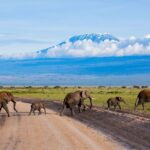
Shimba Hills safari brings together the natural character of Shimba Hills National Reserve, the travel possibilities of Kenya, and experiences shaped by green coastal hills, forest patches, grassland and viewpoints overlooking the Indian Ocean hinterland. It is a destination where the quality of the visit depends on slowing down enough to notice detail. Depending on the area and season, travellers may encounter elephants, sable antelope, giraffes, buffaloes, monkeys and rich coastal birdlife. These are part of a broader ecosystem story that includes weather, vegetation, local communities and the movement of people and wildlife through the surrounding region.
Among the most rewarding reasons to visit are short game drives, forest scenery, waterfall excursions and easy combinations with Diani Beach. A thoughtful itinerary leaves space for changing conditions and avoids treating wildlife or nature as predictable. Turacova Expeditions Safaris uses this destination guide to help travellers understand what to expect, how to prepare and how to connect Shimba Hills National Reserve with other suitable experiences without creating unnecessary duplication in the journey.
Many East African itineraries are built around famous names, yet Shimba Hills National Reserve can add contrast and depth. Its environment of green coastal hills, forest patches, grassland and viewpoints overlooking the Indian Ocean hinterland changes the rhythm of the trip and can reveal a different side of Kenya. The destination is particularly valuable when the rest of the itinerary has focused heavily on one type of experience, because here travellers can build around short game drives, forest scenery, waterfall excursions and easy combinations with Diani Beach.
There is also value in the destination’s wildlife and ecological context. Visitors may encounter elephants, sable antelope, giraffes, buffaloes, monkeys and rich coastal birdlife, but sightings should always be understood as part of a living ecosystem rather than guaranteed entertainment. Local guides read tracks, weather, vegetation and animal behaviour to make sense of what is happening. That interpretation often becomes one of the most memorable parts of the journey. Choosing enough time for this process usually leads to a more satisfying visit. At Shimba Hills National Reserve, local conditions can make this point particularly important.
Green coastal hills, forest patches, grassland and viewpoints overlooking the Indian Ocean hinterland. This setting determines much of what travellers notice first: the colour of the soil, the shape of the horizon, the density of vegetation and the distance between activity areas. In some destinations the terrain is open and easy to read; in others it is layered, forested or mountainous and reveals itself slowly. This helps visitors understand what is genuinely distinctive about Shimba Hills National Reserve.
The landscape also influences practical planning. Rain may change tracks, water levels or hiking surfaces. Heat can affect the best time of day for activities. Altitude may influence comfort and fitness. On the coast, wind and sea state matter; in forests, mud and humidity can shape the pace. By understanding these natural conditions before arrival, travellers can pack better, choose realistic activity lengths and appreciate why guides sometimes adjust the day’s plan. For a well-balanced visit to Shimba Hills National Reserve, this practical detail matters.
Elephants, sable antelope, giraffes, buffaloes, monkeys and rich coastal birdlife are among the natural features that may be associated with Shimba Hills National Reserve. However, the best safari mindset is curiosity rather than certainty. Wildlife observation works with probability, patience and local knowledge.
Responsible viewing means giving animals space, following guides’ instructions and avoiding behaviour that changes natural movement. It also means appreciating species that may not be famous. A rare bird, a primate call, a fresh track or a well-adapted plant can be just as revealing as a large mammal. This broader approach is particularly important in destinations where biodiversity is spread across forest, wetland, mountain or marine habitats. It helps travellers experience the destination on its own terms rather than expecting every place to look like a classic open-savannah safari. In the context of Shimba Hills National Reserve, it supports a more realistic travel plan.
The main experiences include short game drives, forest scenery, waterfall excursions and easy combinations with Diani Beach. Which activities deserve priority depends on the traveller. First-time visitors may want the best-known experience, while repeat travellers often prefer more specialised walks, photography, birding or cultural encounters. Families may need shorter sessions, and active travellers may want longer hikes where the destination allows them. This is part of what gives Shimba Hills National Reserve a destination-specific character.
One useful way to deepen the journey is to read about Diani Beach. That page covers a related experience without duplicating the destination information in this guide. Travellers building a longer route can also consider Kenya Wildlife + Beach – 10 Days, which connects Shimba Hills National Reserve to a different stage of the journey. These links are included because they are contextually useful, not simply to increase the number of links on the page.
Whatever activities are chosen, schedules should remain realistic. Nature activities may start early, roads can take longer than expected, and weather can change plans. Leaving some margin in the day usually produces a calmer and more enjoyable trip. That detail is especially useful when planning time at Shimba Hills National Reserve.
The reserve is green for much of the year, with rainfall influencing road conditions and the ease of longer walks. Because each season offers different advantages, date selection should be linked to personal interests rather than a single universal rule. For Shimba Hills National Reserve, this can influence how the day is paced.
Visitors should also look at travel time between destinations, school holidays, preferred accommodation and any permits needed for specialised activities. A quieter month may offer more relaxed roads and lodges, while a busier month may coincide with conditions many travellers consider ideal. The right decision balances weather, budget, crowd levels and the purpose of the trip. This is especially important when Shimba Hills National Reserve is one stop in a multi-country itinerary.
Reached by road from Kenya’s south coast and commonly visited as a day or overnight excursion from Diani. Travellers should confirm the correct gate, airstrip, harbour or trailhead because some destinations have several access points that are not interchangeable. At Shimba Hills National Reserve, local conditions can make this point particularly important.
It is also wise to consider arrival time. Activities may have fixed briefing times, park gates may operate within set hours, and boat or hiking departures can depend on daylight. A well-planned transfer leaves margin for normal delays. When the destination is remote, carrying water, basic snacks, charging options and the right documents can make the journey more comfortable. This helps visitors understand what is genuinely distinctive about Shimba Hills National Reserve.
Nearby coastal communities, farms and beach tourism create a useful contrast with the protected hill landscape. The relationship between conservation and local livelihoods can be complex, and visitors benefit from guides who can explain it without oversimplifying. For a well-balanced visit to Shimba Hills National Reserve, this practical detail matters.
Tourism works best when nearby communities receive genuine benefits through employment, guiding, accommodation, craft sales or conservation partnerships. Travellers can contribute by choosing reputable services and treating cultural visits as exchanges rather than performances. Respectful behaviour also includes appropriate dress where relevant, asking before taking close photographs and following local advice. These habits help make tourism more welcome and sustainable. The point is worth keeping in mind when building a route around Shimba Hills National Reserve.
Review your route, travel documents, activity requirements and packing list before departure. Shimba Hills National Reserve may involve conditions very different from the previous stop, so clothing and timing should reflect the local environment.
Travellers should also keep expectations flexible. Weather can change, wildlife can move and road conditions may affect the schedule. These changes are normal. A good guide responds safely and explains the alternatives. Leaving some unscheduled time can improve the overall journey, especially on longer itineraries. This is part of what gives Shimba Hills National Reserve a destination-specific character.
When planned thoughtfully, Shimba Hills National Reserve adds a distinct chapter to an East African safari. Its value comes from green coastal hills, forest patches, grassland and viewpoints overlooking the Indian Ocean hinterland, not from trying to imitate another destination. Unique planning and unique content therefore support the same goal: helping travellers choose the right place for the right reason.
Shimba Hills National Reserve rewards travellers who arrive informed and curious. The destination’s combination of green coastal hills, forest patches, grassland and viewpoints overlooking the Indian Ocean hinterland is too specific to be served by copied, generic safari text. A useful plan connects the right activity, the right season and the right transport without pretending that nature is predictable. By approaching the destination this way, visitors gain a clearer sense of place and are more likely to enjoy the journey for what it actually offers. Turacova Expeditions Safaris uses this destination-first approach to create routes that are practical, respectful and easier for travellers to understand before they book.
0 amazing safari experiences
No safaris available for this destination yet.
Contact us to create a custom itinerary.