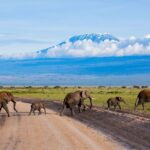
Shaba National Reserve safari is one of the ways travellers can experience the distinctive character of Shaba National Reserve. Located in Kenya, it is shaped by rugged volcanic hills, dry savannah and riverine vegetation east of Samburu. The setting supports elephants, lions, giraffes, oryx, Grevy’s zebra and a range of northern Kenya birds, but the attraction is not limited to animal sightings. Light, weather, local stories, road journeys and the changing look of the landscape all influence how the destination feels from one visit to another.
The core travel experiences are quiet game drives, dramatic scenery and combined safari routes with Samburu and Buffalo Springs. These work best when planned with enough time for interpretation and safe movement between activity areas. Turacova Expeditions Safaris approaches Shaba National Reserve as a complete destination rather than a short photo stop. The guide below covers its natural setting, wildlife, activities, access, seasonal planning, cultural context and practical considerations for visitors.
The strongest reason to include Shaba National Reserve is its sense of place. Rugged volcanic hills, dry savannah and riverine vegetation east of Samburu. This gives the destination a visual identity that cannot be recreated by simply visiting another park or town. Wildlife such as elephants, lions, giraffes, oryx, Grevy’s zebra and a range of northern Kenya birds adds interest, but scenery and atmosphere often become equally important memories.
The travel experience is also varied because visitors can focus on quiet game drives, dramatic scenery and combined safari routes with Samburu and Buffalo Springs. That range creates room for different travel styles without forcing every guest into the same programme. A keen photographer may spend longer waiting for light, while a family may prefer shorter activity blocks and more rest. An active traveller may prioritise walking or climbing where available. Good planning recognises these differences. Turacova Expeditions Safaris therefore treats Shaba National Reserve as a destination that should be matched to the traveller rather than sold as a fixed checklist.
Shaba National Reserve is defined by rugged volcanic hills, dry savannah and riverine vegetation east of Samburu. That environment shapes everything from the wildlife that can live there to the transport and clothing visitors need. Terrain, altitude, vegetation and water availability all affect the pace of activities and the distances between points of interest.
This is why travellers should avoid comparing destinations only by the number of famous animals they contain. A forest journey, mountain hike, marine excursion or dry-country safari asks visitors to observe different things. The reward comes from adapting to the environment. Guides can help explain subtle details that are easy to miss, such as changes in bird calls, animal tracks, plant communities or weather patterns. These details give Shaba National Reserve a specific identity and make the journey more than a generic safari.
Shaba National Reserve is associated with elephants, lions, giraffes, oryx, Grevy’s zebra and a range of northern Kenya birds. The exact mix depends on habitat and season, and visitors should remember that a protected area is not a zoo. Animals choose where to move, rest and feed. This uncertainty is part of the excitement and one reason why experienced local guiding matters.
A strong wildlife experience does not focus only on famous species. Birds, reptiles, primates, smaller mammals and signs such as tracks or dung can reveal how the ecosystem works. In marine destinations, tides, water clarity and sea conditions influence what can be observed. In mountain areas, wildlife is often concentrated at lower elevations while the main attraction higher up becomes scenery and physical challenge. Matching expectations to the destination makes the trip more satisfying and encourages respectful behaviour around wildlife. In the context of Shaba National Reserve, it supports a more realistic travel plan.
The main experiences include quiet game drives, dramatic scenery and combined safari routes with Samburu and Buffalo Springs. Which activities deserve priority depends on the traveller. First-time visitors may want the best-known experience, while repeat travellers often prefer more specialised walks, photography, birding or cultural encounters. Families may need shorter sessions, and active travellers may want longer hikes where the destination allows them. This is part of what gives Shaba National Reserve a destination-specific character.
One useful way to deepen the journey is to read about Photography Safaris. That page covers a related experience without duplicating the destination information in this guide. Travellers building a longer route can also consider 3-Day Samburu Private Safari, which connects Shaba National Reserve to a different stage of the journey. These links are included because they are contextually useful, not simply to increase the number of links on the page.
Whatever activities are chosen, schedules should remain realistic. Nature activities may start early, roads can take longer than expected, and weather can change plans. Leaving some margin in the day usually produces a calmer and more enjoyable trip. That detail is especially useful when planning time at Shaba National Reserve.
wildlife viewing is possible throughout the year, with water availability and rainfall influencing animal distribution. This means there is rarely one perfect month for every traveller. The best time depends on whether the priority is wildlife visibility, green scenery, photography, hiking comfort, birding, beach conditions or fewer visitors. For Shaba National Reserve, this can influence how the day is paced.
Seasonal planning should also consider the wider itinerary. A traveller combining several regions may need to compromise between different weather patterns. Instead of choosing dates from a single online statement, it is better to discuss the exact route and activities. Turacova Expeditions Safaris can then advise what conditions are normally like and what flexibility may be useful. Whatever the season, visitors should pack for local variation rather than assuming that a tropical destination is always hot and dry. It is one reason Shaba National Reserve should be planned on its own terms.
Reached through the Isiolo-Samburu region by road or light aircraft and best combined with neighbouring reserves. The route can usually be adjusted according to whether travellers prioritise cost, comfort, scenery or time. At Shaba National Reserve, local conditions can make this point particularly important.
Road journeys provide context and can include useful stops, while flights are valuable when distances are long. Some remote destinations require more specialised logistics and should not be treated like mainstream parks near major highways. Before travel, confirm luggage limits for light aircraft, identification requirements, park-entry procedures and any activity-specific meeting points. Clear logistics allow the destination itself to remain the focus once the journey begins. This helps visitors understand what is genuinely distinctive about Shaba National Reserve.
The wider area is part of a pastoral landscape where community conservancies and tourism are increasingly connected. The relationship between conservation and local livelihoods can be complex, and visitors benefit from guides who can explain it without oversimplifying. For a well-balanced visit to Shaba National Reserve, this practical detail matters.
Tourism works best when nearby communities receive genuine benefits through employment, guiding, accommodation, craft sales or conservation partnerships. Travellers can contribute by choosing reputable services and treating cultural visits as exchanges rather than performances. Respectful behaviour also includes appropriate dress where relevant, asking before taking close photographs and following local advice. These habits help make tourism more welcome and sustainable. The point is worth keeping in mind when building a route around Shaba National Reserve.
Before travelling to Shaba National Reserve, confirm the practical details that directly affect the experience: transfer time, activity start time, expected weather, footwear, identification, permits where relevant and any health or fitness considerations.
It is also useful to decide how much structure you want. Some travellers prefer a fixed programme, while photographers and repeat safari visitors may value more flexibility. Families may need shorter days, and honeymoon travellers may want more private time. A tailor-made plan can adjust these details without changing the destination itself. This is part of what gives Shaba National Reserve a destination-specific character.
The final principle is simple: visit Shaba National Reserve for what makes it different. Do not force the destination into a generic template. Respect its landscape, communities and natural rhythms. That approach creates a better trip, stronger destination content and more useful information for future travellers.
Shaba National Reserve rewards travellers who arrive informed and curious. The destination’s combination of rugged volcanic hills, dry savannah and riverine vegetation east of Samburu is too specific to be served by copied, generic safari text. A useful plan connects the right activity, the right season and the right transport without pretending that nature is predictable. By approaching the destination this way, visitors gain a clearer sense of place and are more likely to enjoy the journey for what it actually offers. Turacova Expeditions Safaris uses this destination-first approach to create routes that are practical, respectful and easier for travellers to understand before they book.
0 amazing safari experiences
No safaris available for this destination yet.
Contact us to create a custom itinerary.