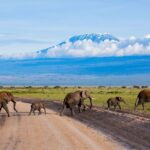
Akagera National Park safari offers travellers a focused way to experience Akagera National Park in Rwanda. Rather than treating the destination as a name on a map, it is better understood through its landscape: rolling savannah, woodland, papyrus wetlands, lakes and open plains along Rwanda’s eastern frontier. That environment supports lions, elephants, buffaloes, rhinos, giraffes, hippos, antelopes and a wide variety of water and savannah birds, and it creates a travel experience that can feel very different from better-known safari stops elsewhere in East Africa. Visitors who give the area enough time usually notice that the destination is as much about atmosphere, scenery and guiding as it is about headline wildlife.
The signature experiences include Big Five game drives, boat trips on the park lakes and scenic journeys through contrasting habitats. These can be planned as a dedicated stay or fitted into a broader regional safari, depending on road connections and the traveller’s interests. Turacova Expeditions Safaris recommends building the visit around realistic transfer times and meaningful activities rather than trying to cover too much in one day. The sections below provide practical information for planning a well-paced journey to Akagera National Park.
A short visit may reveal only one part of Akagera National Park. Spending more time makes it easier to understand the landscape of rolling savannah, woodland, papyrus wetlands, lakes and open plains along Rwanda’s eastern frontier and to see how changing light, weather and wildlife movement affect the destination. Species such as lions, elephants, buffaloes, rhinos, giraffes, hippos, antelopes and a wide variety of water and savannah birds may be part of the experience, but the journey should not depend on a guaranteed sighting.
The destination is especially suited to travellers interested in Big Five game drives, boat trips on the park lakes and scenic journeys through contrasting habitats. These experiences benefit from flexible timing because nature does not follow a timetable. A slower plan can also reduce travel fatigue and give guides more freedom to respond to conditions. For Turacova Expeditions Safaris, this balance between structure and flexibility is central to a strong itinerary. At Akagera National Park, local conditions can make this point particularly important.
One of the best ways to understand Akagera National Park is to look at its habitats. The destination includes rolling savannah, woodland, papyrus wetlands, lakes and open plains along Rwanda’s eastern frontier. Each component supports different plants and animals and creates different viewing conditions. A change in vegetation can mean a change in birds, grazing species or predator behaviour, while access to permanent or seasonal water often influences wildlife distribution.
For photographers and nature lovers, these transitions are especially important. They provide variety without requiring long transfers. Wide landscapes may be strongest in early or late light, whereas forest and river areas can remain interesting through much of the day. Visitors should also remember that protected areas are connected to wider ecosystems. Wildlife may move beyond administrative boundaries, and communities outside the destination often depend on the same water, grazing or forest resources. Responsible tourism therefore benefits from seeing the destination as part of a larger living landscape. For a well-balanced visit to Akagera National Park, this practical detail matters.
Nature at Akagera National Park may include lions, elephants, buffaloes, rhinos, giraffes, hippos, antelopes and a wide variety of water and savannah birds. Sightings vary because animals move in response to food, water, weather, breeding cycles and human disturbance. For this reason, ethical operators avoid promising that a particular species will appear at a specific time. What can be promised is a well-planned effort to visit suitable habitats with guides who understand local conditions.
Wildlife viewing is most rewarding when visitors also pay attention to behaviour. Feeding, social interaction, alarm calls, tracks and habitat use can turn an ordinary sighting into a richer experience. Birdlife can be equally important, especially in forests, wetlands, lakes and coastal areas. Smaller species, insects and plants also tell part of the ecological story. Travellers who arrive with flexible expectations usually leave with a deeper appreciation of the destination, even when nature does not produce the exact scene they imagined beforehand. In the context of Akagera National Park, it supports a more realistic travel plan.
Big Five game drives, boat trips on the park lakes and scenic journeys through contrasting habitats. These experiences can be arranged in different ways, from short guided outings to full-day exploration or multi-day stays. The right pace depends on the destination and on what travellers want to learn. This is part of what gives Akagera National Park a destination-specific character.
For more detail on a complementary experience, see Wildlife Safaris. Travellers planning a wider trip can also look at Photography Safaris. Neither link is intended to compete with this destination page; each serves a different purpose and helps readers move naturally through the website. For travellers considering Akagera National Park, it is a useful planning principle.
Activities should always follow local rules. Where walking, climbing, boating, primate tracking or marine trips are involved, professional guiding and safety briefings are important. In wildlife areas, staying on approved routes and respecting viewing distances protects both visitors and animals. That detail is especially useful when planning time at Akagera National Park.
The park is open throughout the year; drier periods can improve road access and wildlife concentration, while greener months are excellent for birding. Conditions affect comfort and visibility, but they can also change the mood of the destination in attractive ways. For Akagera National Park, this can influence how the day is paced.
Green periods may deliver saturated landscapes and active birdlife, while drier periods can simplify road travel or open views. In highland areas, temperatures may be cool regardless of season; on the coast, humidity and wind matter; in dry northern areas, heat can be significant. Packing and daily timing should reflect these local conditions. Travellers who understand the trade-offs are usually happier than those expecting every day to match a brochure photograph. It is one reason Akagera National Park should be planned on its own terms.
Reached by road from Kigali, making it practical for short extensions as well as longer Rwanda itineraries. This makes route design an important part of the trip. A destination that looks close on a map may still require several hours because of terrain, traffic or protected-area roads. At Akagera National Park, local conditions can make this point particularly important.
Turacova Expeditions Safaris recommends grouping destinations logically rather than repeatedly crossing the same region. This saves time and fuel and gives travellers more hours for actual experiences. Fly-in options can be worthwhile on longer distances, while road transfers may suit travellers who want to see the countryside. The best choice depends on the overall itinerary rather than the destination alone. This helps visitors understand what is genuinely distinctive about Akagera National Park.
The park’s modern conservation story is closely tied to tourism, habitat restoration and surrounding communities. These connections remind visitors that conservation landscapes are also places where people live, work and make decisions about land and resources. For a well-balanced visit to Akagera National Park, this practical detail matters.
Choosing a responsible operator helps direct tourism toward positive outcomes. Guides should follow regulations, vehicles should avoid unnecessary off-road pressure, and community visits should be organised transparently. Travellers can also reduce plastic waste, conserve water and energy at accommodation, and buy locally made products when suitable. The goal is not perfection but awareness and consistent good practice throughout the trip. The point is worth keeping in mind when building a route around Akagera National Park.
Before travelling to Akagera National Park, confirm the practical details that directly affect the experience: transfer time, activity start time, expected weather, footwear, identification, permits where relevant and any health or fitness considerations.
It is also useful to decide how much structure you want. Some travellers prefer a fixed programme, while photographers and repeat safari visitors may value more flexibility. Families may need shorter days, and honeymoon travellers may want more private time. A tailor-made plan can adjust these details without changing the destination itself. This is part of what gives Akagera National Park a destination-specific character.
The final principle is simple: visit Akagera National Park for what makes it different. Do not force the destination into a generic template. Respect its landscape, communities and natural rhythms. That approach creates a better trip, stronger destination content and more useful information for future travellers.
Akagera National Park should be planned for its own strengths. Its setting of rolling savannah, woodland, papyrus wetlands, lakes and open plains along Rwanda’s eastern frontier creates different opportunities and limitations from other destinations in Rwanda. That is why a useful itinerary should not simply copy the timing, wording or expectations of another safari area. It should reflect the actual activities, travel conditions and natural rhythm of the place. This destination-specific approach helps travellers make better choices and helps protect each page from competing with another page that answers the same question.
0 amazing safari experiences
No safaris available for this destination yet.
Contact us to create a custom itinerary.