Big Five in Kenya seeing the Big Five in Kenya is a popular safari goal, but no responsible guide can guarantee every species on a particular day. Kenya offers several strong wildlife areas where travellers can look for lion, leopard, elephant, buffalo and rhino while also enjoying many other animals, birds and landscapes. Turacova Expeditions Safaris recommends planning around the experience you actually want rather than copying a generic route. This guide focuses on practical decisions, responsible wildlife viewing and sensible itinerary design so that the trip remains useful whether you are travelling privately, as a couple, with family or as part of a small group.
Big Five in Kenya: Planning Overview
Big Five in Kenya works best when the route, season and amount of time are considered together. Rather than assuming there is one perfect formula, use the sections below to compare the practical choices that affect comfort, wildlife time, photography and overall value.
What the Big Five means today
The term originally came from hunting history, but modern safari travel is about observing and protecting wildlife. Today it is a useful shorthand for lion, leopard, elephant, buffalo and rhino, not a checklist that should override every other experience. In real safari planning, a realistic plan should build in rest, photography time and the possibility that wildlife will not appear on command. That approach keeps the experience relaxed and gives the destination time to reveal more than one headline attraction.
Ask your safari planner to explain how this part of the journey works in the specific season you intend to travel, what alternatives are available if conditions change, and how much actual time will be spent enjoying the experience. For Big Five in Kenya, those practical details are more useful than promises built around perfect weather or guaranteed sightings. Kenya rewards travellers who allow guides to respond to what is happening on the day while still keeping the overall route organised and comfortable.
Maasai Mara
The Mara offers excellent chances to see lion, elephant and buffalo, while leopards are possible with patient guiding. Rhino sightings are less predictable, which is why many Big Five itineraries add a conservancy with strong rhino protection. A useful way to think about this is that this matters because safari days are shaped by distance, weather, wildlife movement and the amount of time available rather than by a fixed checklist. The result is usually a more comfortable trip with better wildlife time and fewer unnecessary hours on the road.
Ask your safari planner to explain how this part of the journey works in the specific season you intend to travel, what alternatives are available if conditions change, and how much actual time will be spent enjoying the experience. For Big Five in Kenya, those practical details are more useful than promises built around perfect weather or guaranteed sightings. Kenya rewards travellers who allow guides to respond to what is happening on the day while still keeping the overall route organised and comfortable. A useful next step is to compare this advice with Ol Pejeta Conservancy when shaping the route.
Ol Pejeta Conservancy
Ol Pejeta is one of Kenya’s most important rhino areas and adds conservation learning to a safari. It can complement the Mara particularly well when travellers want to improve their chances of seeing rhino responsibly. For a well-paced journey, the strongest itineraries leave enough flexibility for local conditions and avoid turning every day into a long transfer. This is particularly important for first-time visitors who may underestimate how tiring repeated packing and long transfers can become.
Ask your safari planner to explain how this part of the journey works in the specific season you intend to travel, what alternatives are available if conditions change, and how much actual time will be spent enjoying the experience. For Big Five in Kenya, those practical details are more useful than promises built around perfect weather or guaranteed sightings. Kenya rewards travellers who allow guides to respond to what is happening on the day while still keeping the overall route organised and comfortable.
Amboseli
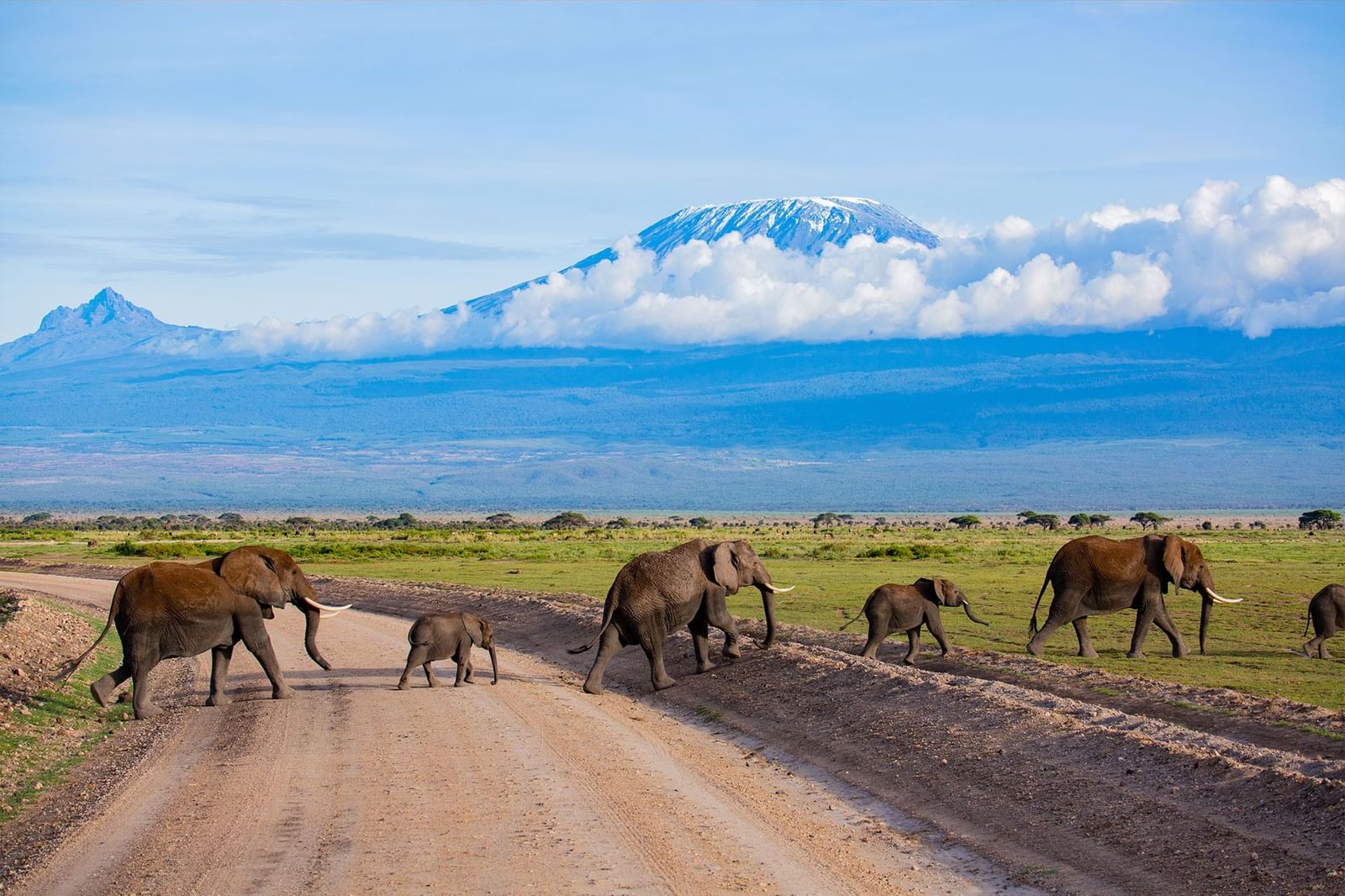
Amboseli is best known for elephants and also offers buffalo and predators. Rhino is not the main reason to choose the park, so it works better as part of a broader Big Five itinerary than as a single checklist destination. A useful way to think about this is that this matters because safari days are shaped by distance, weather, wildlife movement and the amount of time available rather than by a fixed checklist. That approach keeps the experience relaxed and gives the destination time to reveal more than one headline attraction.
Ask your safari planner to explain how this part of the journey works in the specific season you intend to travel, what alternatives are available if conditions change, and how much actual time will be spent enjoying the experience. For Big Five in Kenya, those practical details are more useful than promises built around perfect weather or guaranteed sightings. Kenya rewards travellers who allow guides to respond to what is happening on the day while still keeping the overall route organised and comfortable.
Tsavo and other options
The Tsavo ecosystem offers large-scale wilderness, elephants, buffalo, lions and the possibility of leopard. Sightings can require more patience because of vegetation and the enormous size of the landscape. In real safari planning, travellers normally get more value when they understand the purpose of each stop instead of adding places simply because they are famous. The result is usually a more comfortable trip with better wildlife time and fewer unnecessary hours on the road.
Ask your safari planner to explain how this part of the journey works in the specific season you intend to travel, what alternatives are available if conditions change, and how much actual time will be spent enjoying the experience. For Big Five in Kenya, those practical details are more useful than promises built around perfect weather or guaranteed sightings. Kenya rewards travellers who allow guides to respond to what is happening on the day while still keeping the overall route organised and comfortable.
Finding leopard
Leopards are naturally elusive. Early morning and late afternoon drives, patient scanning of trees and riverine cover, and an experienced guide improve opportunities without creating guarantees. For practical planning, a realistic plan should build in rest, photography time and the possibility that wildlife will not appear on command. For couples, families and photographers alike, sensible pacing normally produces better memories than trying to fit one more park into the schedule.
Ask your safari planner to explain how this part of the journey works in the specific season you intend to travel, what alternatives are available if conditions change, and how much actual time will be spent enjoying the experience. For Big Five in Kenya, those practical details are more useful than promises built around perfect weather or guaranteed sightings. Kenya rewards travellers who allow guides to respond to what is happening on the day while still keeping the overall route organised and comfortable.
Responsible rhino viewing
Rhino conservation requires strict security and careful management. Travellers should follow guide instructions, avoid publishing sensitive real-time locations and support recognised protected areas. The important planning point is that a realistic plan should build in rest, photography time and the possibility that wildlife will not appear on command. This is particularly important for first-time visitors who may underestimate how tiring repeated packing and long transfers can become.
Ask your safari planner to explain how this part of the journey works in the specific season you intend to travel, what alternatives are available if conditions change, and how much actual time will be spent enjoying the experience. For Big Five in Kenya, those practical details are more useful than promises built around perfect weather or guaranteed sightings. Kenya rewards travellers who allow guides to respond to what is happening on the day while still keeping the overall route organised and comfortable. A useful next step is to compare this advice with Maasai Mara when shaping the route.
Why not to chase a checklist
A safari becomes richer when time is also given to cheetahs, giraffes, hyenas, antelopes, birds and animal behaviour. Fixating on five species can cause unnecessary rushing and missed experiences. From an itinerary point of view, the strongest itineraries leave enough flexibility for local conditions and avoid turning every day into a long transfer. This kind of planning supports both visitor enjoyment and more respectful wildlife viewing.
Ask your safari planner to explain how this part of the journey works in the specific season you intend to travel, what alternatives are available if conditions change, and how much actual time will be spent enjoying the experience. For Big Five in Kenya, those practical details are more useful than promises built around perfect weather or guaranteed sightings. Kenya rewards travellers who allow guides to respond to what is happening on the day while still keeping the overall route organised and comfortable.
Suggested Big Five route
A route combining the Mara with Ol Pejeta and another contrasting park can create a balanced journey. The exact order should minimise driving and fit the number of available nights. From an itinerary point of view, a realistic plan should build in rest, photography time and the possibility that wildlife will not appear on command. It also makes it easier to compare safari quotations on real value rather than on price or marketing language alone.
Ask your safari planner to explain how this part of the journey works in the specific season you intend to travel, what alternatives are available if conditions change, and how much actual time will be spent enjoying the experience. For Big Five in Kenya, those practical details are more useful than promises built around perfect weather or guaranteed sightings. Kenya rewards travellers who allow guides to respond to what is happening on the day while still keeping the overall route organised and comfortable.
Planning Where to See the Big Five in Kenya with Turacova
Turacova Expeditions Safaris can use this guide as a starting point and then adjust the journey to your dates, preferred comfort level and travel style. The most effective plan for Big Five in Kenya should explain driving times, activity limits, likely seasonal conditions and what is flexible. We recommend leaving space for the guide to respond to wildlife and weather rather than promising a minute-by-minute safari schedule. A clear itinerary should also separate included services from optional extras so that the final cost is easier to understand before travel.
When several destinations are involved, route order matters. Backtracking can add hours without adding experience, while a carefully connected route can create more time for game drives, rest and photography. For longer holidays, consider mixing wildlife areas with a lake, mountain, conservancy or beach stop so that every day does not feel the same. Responsible travel also means following protected-area rules, respecting communities, reducing unnecessary disturbance around animals and choosing guides who prioritise safety over close-up photographs.
Frequently Asked Questions
How many days should I allow for Big Five in Kenya?
There is no single correct length. For most Kenya trips, allow enough nights to avoid changing lodge every morning and to give weather or wildlife movement some flexibility. A specialist trip may focus on one area, while a first safari often combines two or three contrasting places.
Can Big Five in Kenya be planned for first-time visitors?
Yes. The key is realistic pacing, clear expectations and an itinerary that matches fitness, budget and interests. First-time travellers do not need to include every famous destination to have a complete Kenya experience.
Should I book Big Five in Kenya far in advance?
For peak travel periods, small camps, family rooms and specialist activities can fill early. Outside the busiest dates there may be more flexibility, but international flights and preferred lodges are still easier to coordinate when the trip is planned in good time.
What should I confirm before paying for Big Five in Kenya?
Confirm the exact route, lodge names or standards, transport method, included park or conservancy charges, meal plan, optional activities, cancellation terms and who will provide the guiding. Written inclusions are more reliable than assumptions.
Final Thoughts
Where to See the Big Five in Kenya is most rewarding when expectations are realistic and the route is built around time on the ground, not simply the number of names on an itinerary. Kenya offers enough variety to design very different trips for wildlife lovers, photographers, families, couples and active travellers. Use the information above to decide what matters most, then choose a route that gives those experiences enough time. That balance of preparation and flexibility is what turns a list of destinations into a coherent safari.